





-
Details
- Alternative title
- World of things: vol.1
- Place where the work was made
-
Japan
- Period
- Meiji period 1868 - 1912 → Japan
- Date
- 1909
- Media categories
- Print , Book
- Materials used
- folded book: 23 leaves, 20 woodblock prints; ink and colour on paper
- Dimensions
-
29.7 x 22.2 cm leaf; 29.9 x 22.4 x 2.0 cm closed book; 29.7 x 44.5 cm open book
:
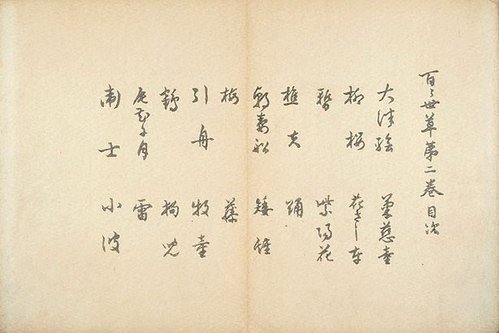
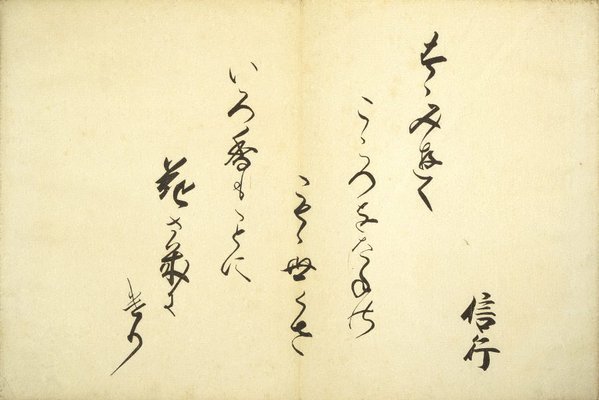
a - [poem], 29.7 x 44.5 cm, text; leaf a and leaf b
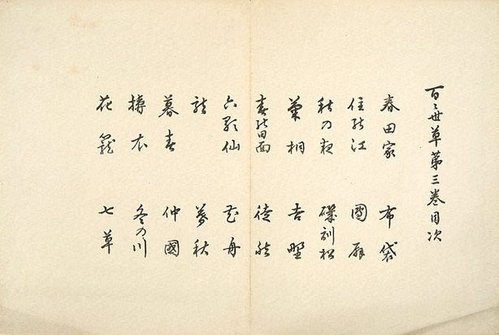
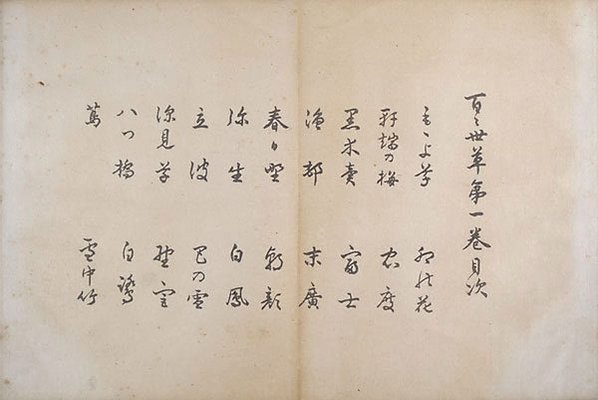
b - [table of contents], 29.7 x 44.5 cm, text; verso leaf b and leaf c
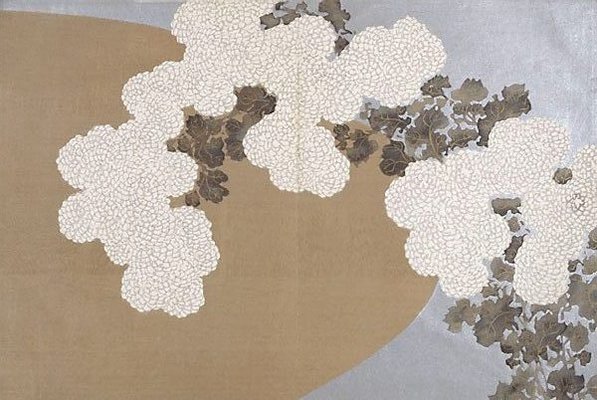
c - Momoyo-gusa [Momoyo flowers], 29.7 x 44.5 cm, image; verso leaf c and leaf d
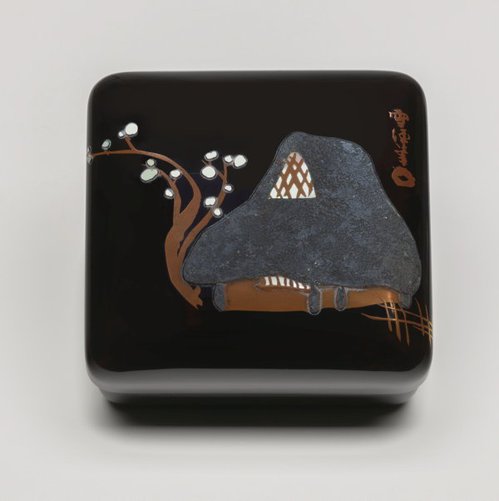
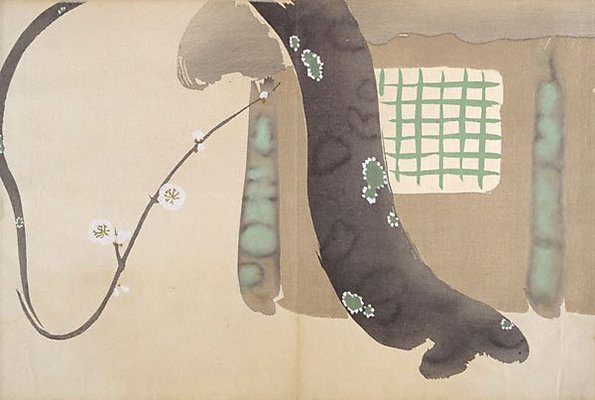
d - Nokiba no ume [A plum tree at the eaves], 29.7 x 44.5 cm, image; verso leaf d and leaf e
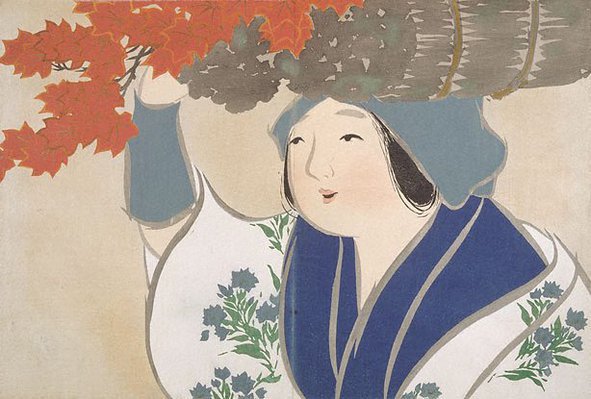
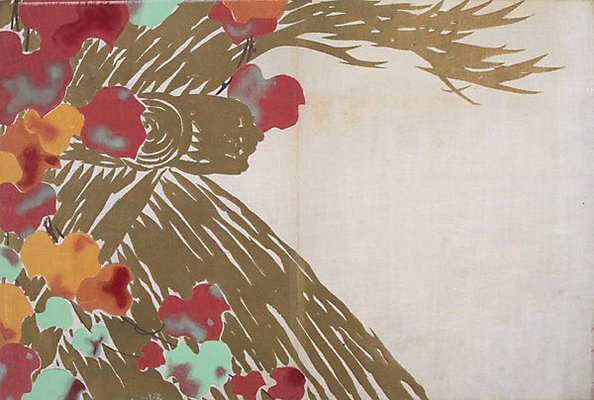
e - Kuroki uri [A maple tree seller], 29.7 x 44.5 cm, image; verso leaf e and leaf f
f - Gyoson [A fishing village], 29.7 x 44.5 cm, image; verso leaf f and leaf g
g - Kasugano [Kasuga plain], 29.7 x 44.5 cm, image; verso leaf g and leaf h
h - Yayoi [March], 29.7 x 44.5 cm, image; verso leaf h and leaf i
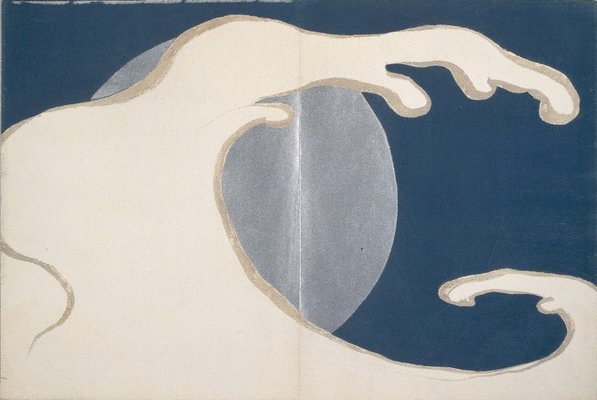
i - Tatsunami [High waves], 29.7 x 44.5 cm, image; verso leaf i and leaf j
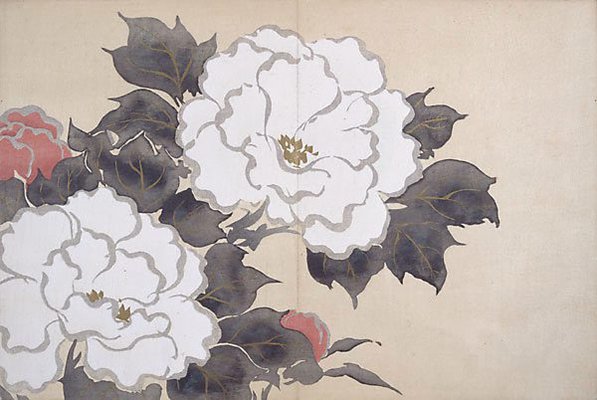
j - Fukami-gusa [Peonies], 29.7 x 44.5 cm, image; verso leaf j and leaf k
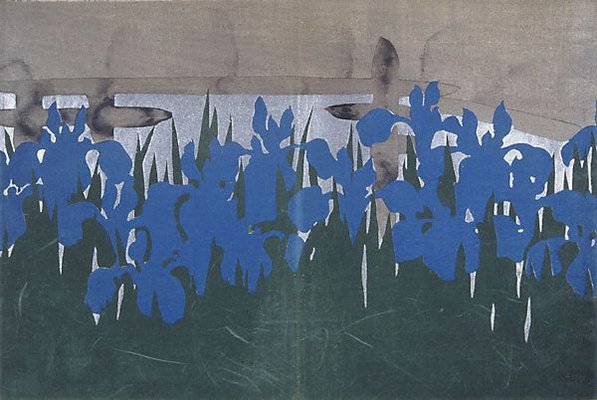
k - Yatsu-hashi [Eight folded bridge], 29.7 x 44.5 cm, image; verso leaf k and leaf l
l - Tsuta [Ivy], 29.7 x 44.5 cm, image; verso leaf l and leaf m
m - U-no-hana (Deutzias), 29.7 x 44.5 cm, image; verso leaf m and leaf n
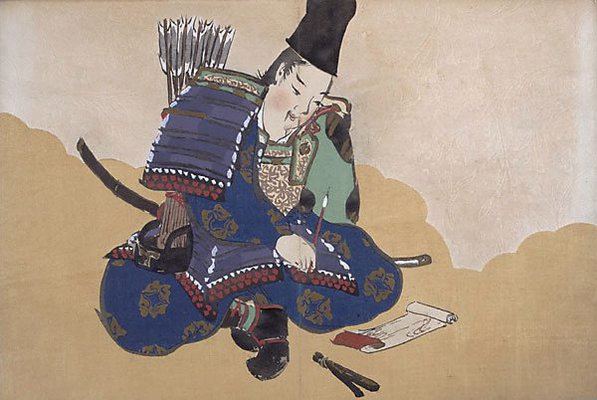
n - Tadanori (A warrior drawing), 29.7 x 44.5 cm, image; verso leaf n and leaf o
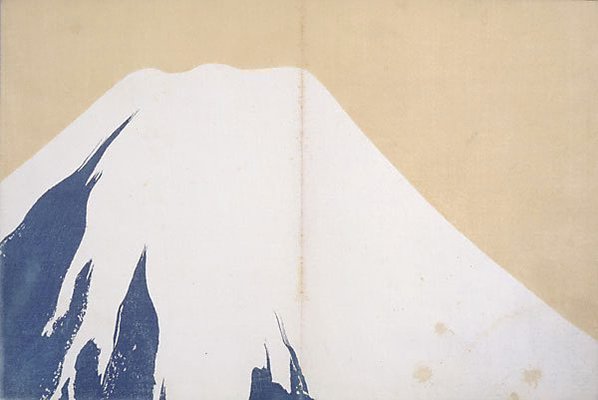
o - Fuji [Mt Fuji], 29.7 x 44.5 cm, image; verso leaf o and leaf p
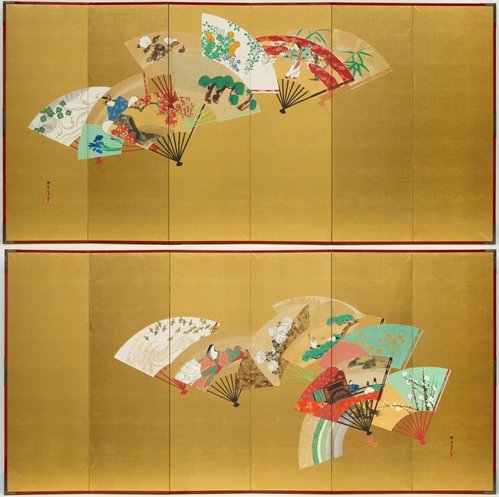
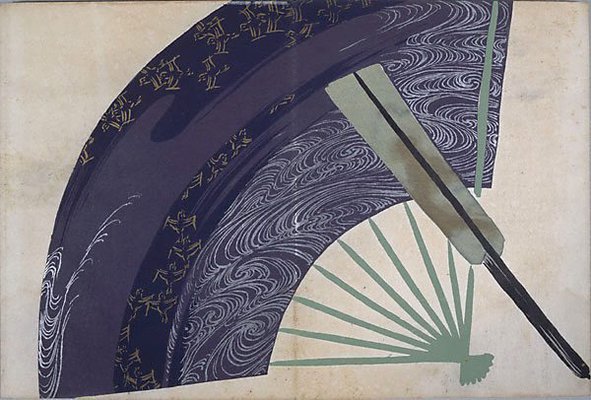
p - Suehiro (A folding fan), 29.7 x 44.5 cm, image; verso leaf p and leaf q
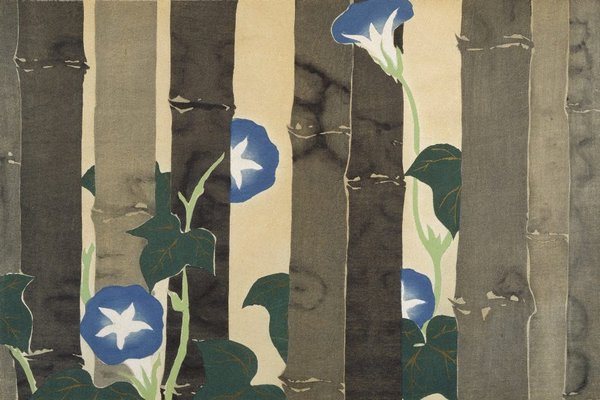
q - Asagao [Morning glories], 29.7 x 44.5 cm, image; verso leaf q and leaf r
r - Hakuhô [A white pheonix], 29.7 x 44.5 cm, image; verso leaf r and leaf s
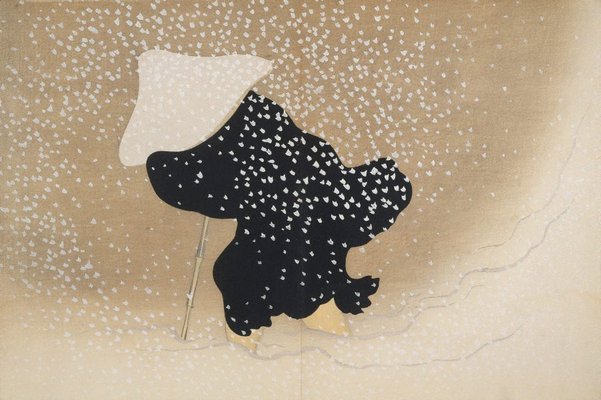
s - Sato no yuki [Snow in the countryside], 29.7 x 44.5 cm, image; verso leaf s and leaf t
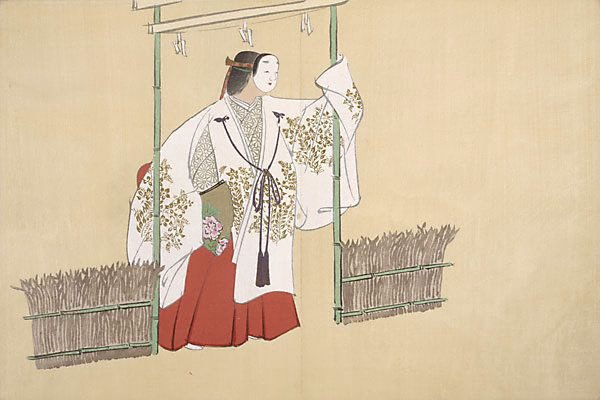
t - Nomiya (A No actor with a mask), 29.7 x 44.5 cm, image; verso leaf t and leaf u
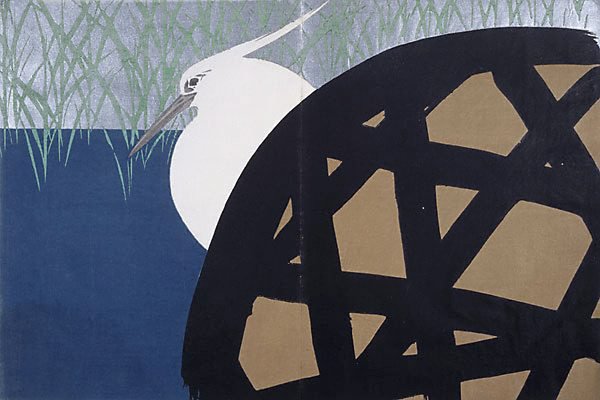
u - Shirasagi [A white egret], 29.7 x 44.5 cm, image; verso leaf u and leaf v
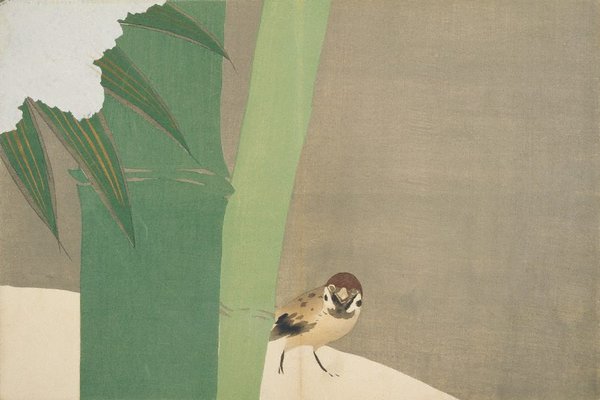
v - Secchû no take [Bamboo in snow], 29.7 x 44.5 cm, image; verso leaf v and leaf w
w - [Dates of printing, publication, aritst's name and address, publisher's name and address], 29.7 x 44.5 cm, text; verso leaf w
- Signature & date
Not signed. Not dated.
- Credit
- Purchased with the assistance of the Sidney Myer Fund 1991
- Location
- Not on display
- Accession number
- 176.1991.1.a-w
- Copyright
- Artist information
-
Kamisaka Sekka
Works in the collection
- Share
-


-
About
Kamisaka Sekka is considered to be one of Japan’s most significant artists, designers and art instructors of the first half of the 20th century. The three-volume 'A world of things' (Momoyo-gusa) is generally recognised as marking the pinnacle of Sekka’s design career.
Each volume contains 20 images appropriated from the established Rinpa repertoire, and inspired by Chinese/Japanese legend and folklore: irises, the Thunder god, plum blossoms, deer in autumnal settings, the moon behind waves, the maid of Ōhara and the Chrysanthemum boy, to name but a few. Sekka represents them as crisp, clear shapes defined by areas of opaque, brilliant aniline dyes that are captured from unconventional vantage points. In this way, he successfully re-enlivens these well-worn images and imbues them with a modern touch.The title 'Momoyo-gusa’ is taken from a poem by Nobuyuki (dates unknown), which is reproduced on the first page of volume one:
At first, it was the beauty of the
cherry blossoms.
Now, as I grow older, the flowers of
a hundred worlds (momoyogusa)
leave seeds in my heart.Momoyo-gusa is a poetic name for the chrysanthemum, an autumnal flower. It is enlisted in the above verse as a contrastive note to the cherry blossoms of spring and in turn becomes a comparison of youth with old age. In his title cartouche for the album, the eminent Meiji-era painter and calligrapher Tomioka Tessai (1837-1924) sets up a word play by writing the Japanese character for ‘one hundred’ twice, making it thus ‘flowers of ten-thousand worlds’ or ‘a world of myriad things’.
Kamisaka Sekka: A dawn of modern Japanese design, AGNSW 2012, pg 142.
-
Places
Where the work was made
Japan
-
Exhibition history
Shown in 3 exhibitions
Heroes and Villains, Art Gallery of New South Wales, Sydney, 19 May 2001–19 Aug 2001
Kamisaka Sekka - Dawn of modern Japanese design, Art Gallery of New South Wales, Sydney, 21 Jun 2012–26 Aug 2012
In one drop of water, Art Gallery of New South Wales, Sydney, 15 Jun 2019–21 Feb 2021
-
Bibliography
Referenced in 3 publications
-
AJIOKA Chiaki (Curator), Heroes and villains: from Japan's floating world, Sydney, May 2001, 6. cat.no. 1.8
-
Ann Macarthur, Look, 'Inspired by Sekka', pg.28, Sydney, Jun 2012, 28 (colour illus.). This is an image of part k, Yatsu-hashi [Eight folded bridge]
-
Khanh Trinh (Editor), Kamisaka Sekka: dawn of modern Japanese design, Sydney, 2012, 142-151 (colour illus.). cat.no. 82
-