

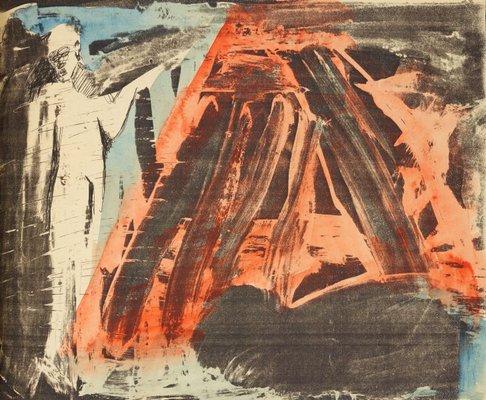
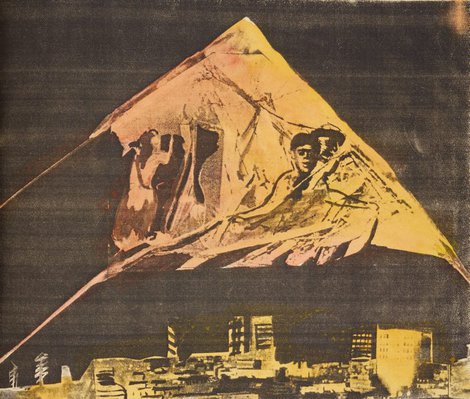
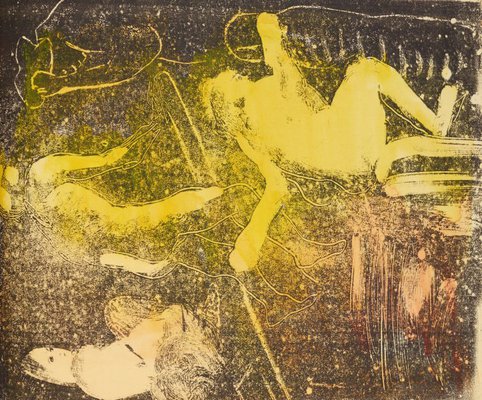
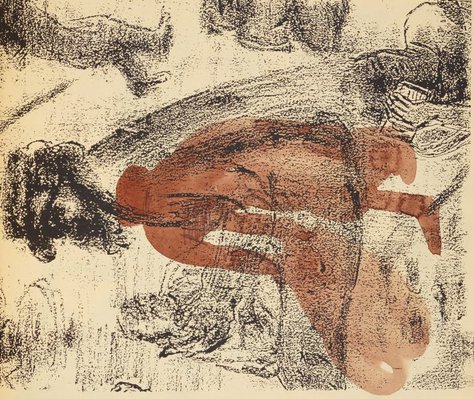


-
Details
- Place where the work was made
-
Mumbai
→
Maharashtra
→
India
- Cultural origin
- Baroda school
- Period
- Contemporary circa 1945 - onwards → India
- Date
- 1991
- Media categories
- Book , Print
- Materials used
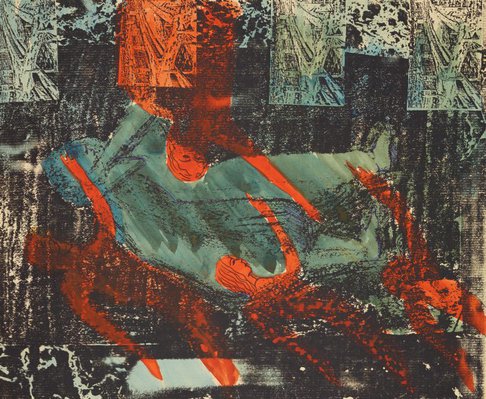
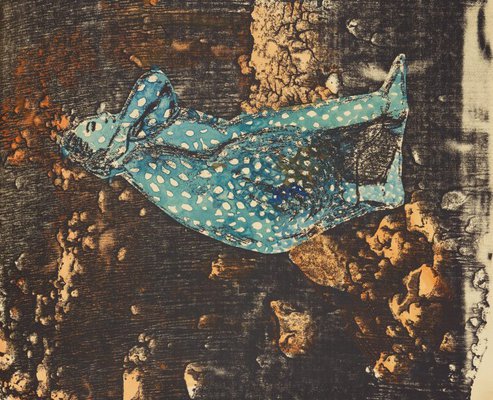
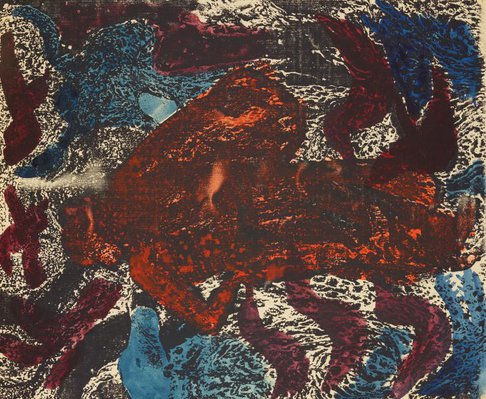
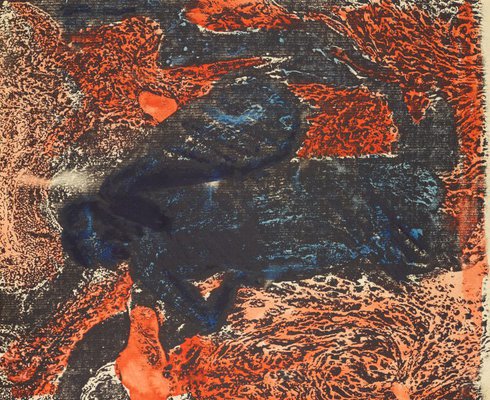
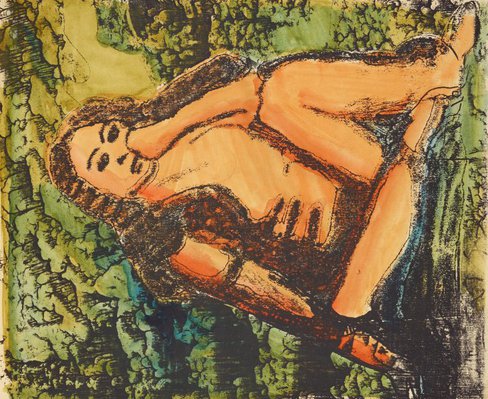
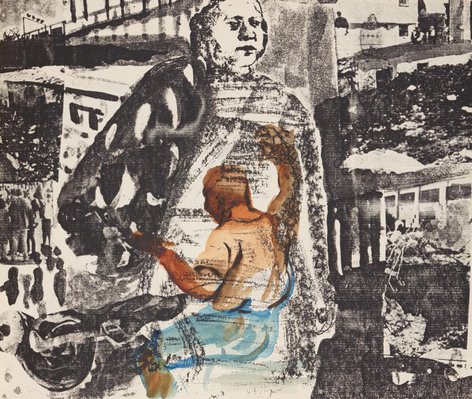
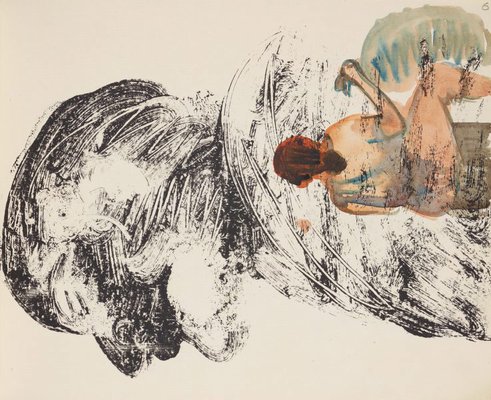
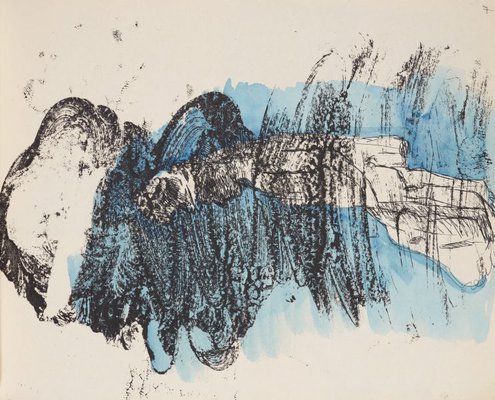
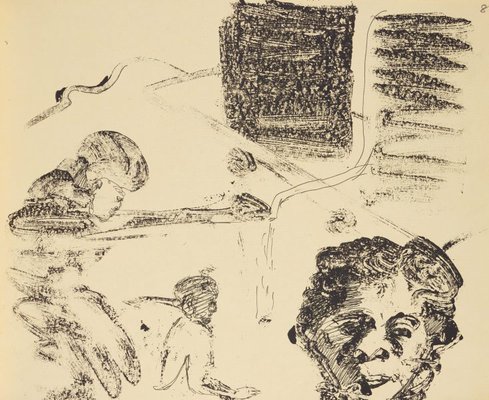
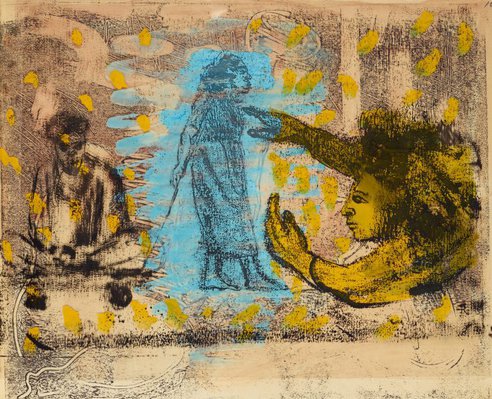
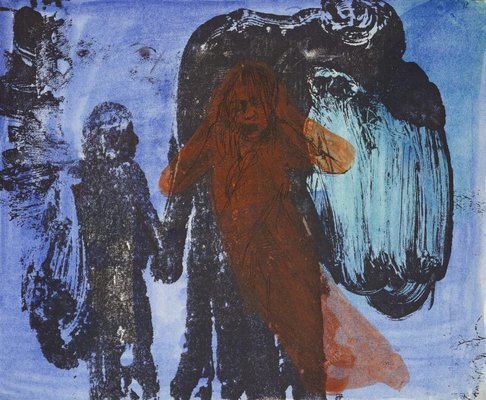
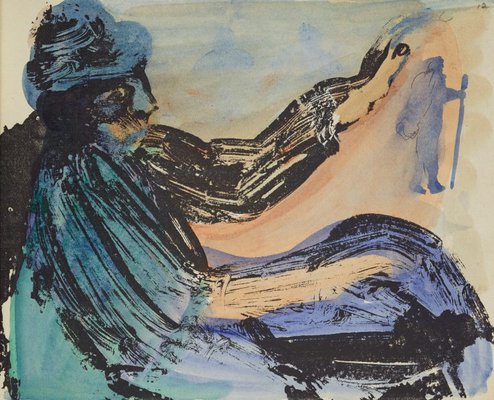
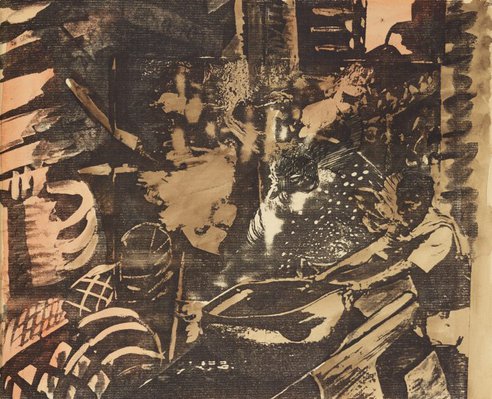
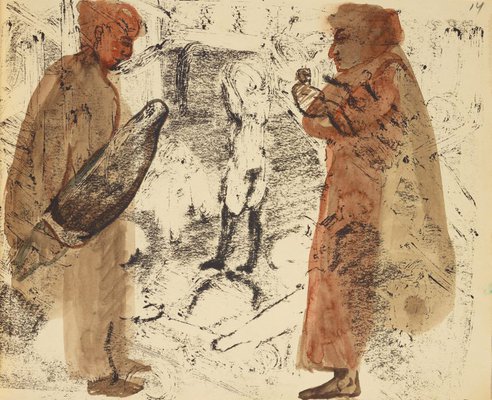
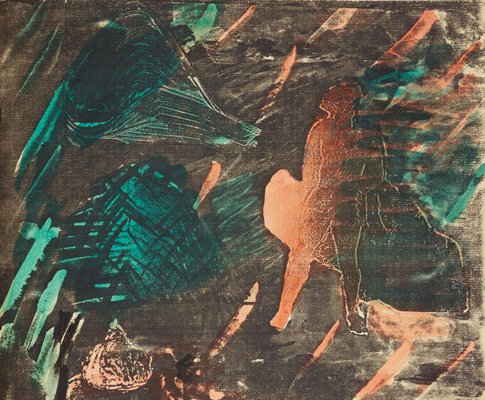
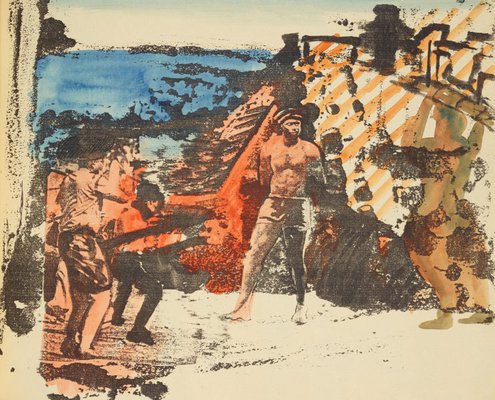
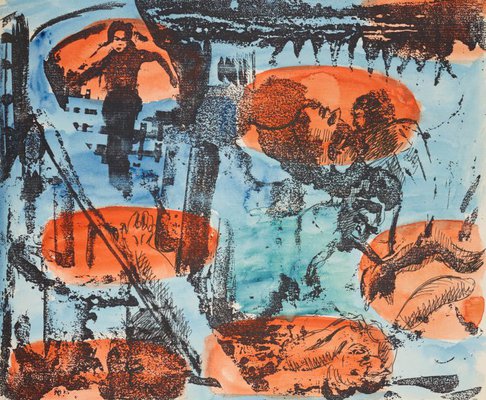
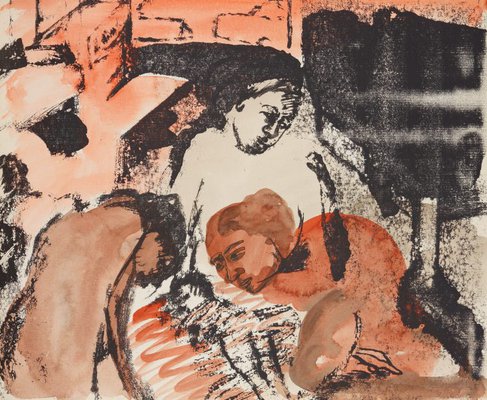
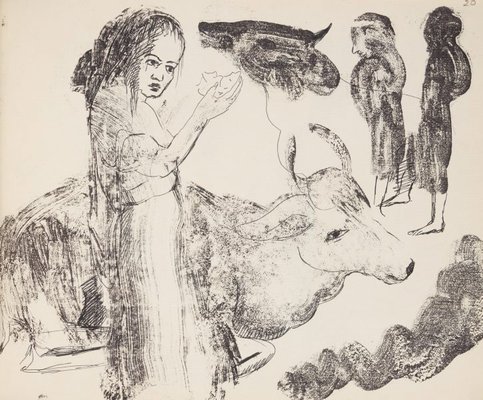
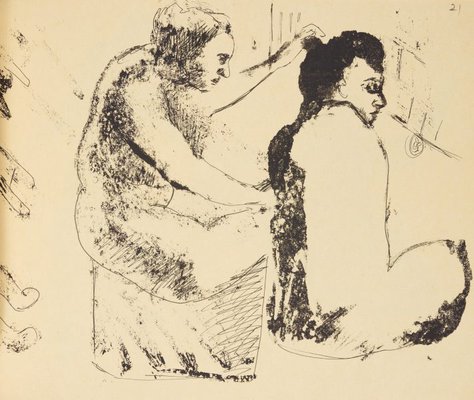
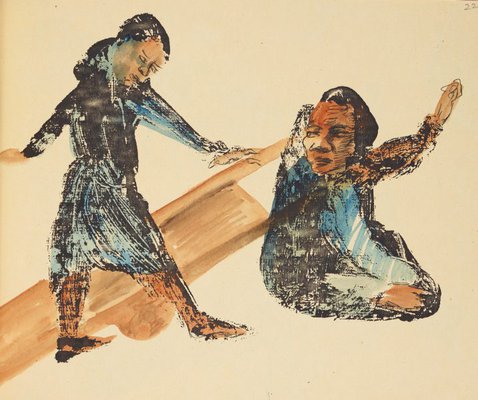
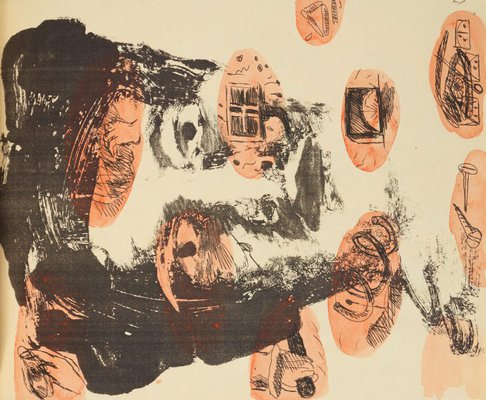
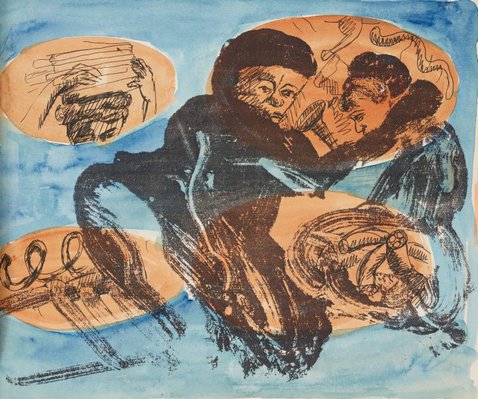
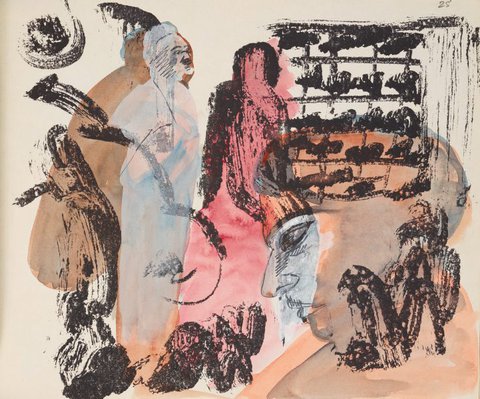
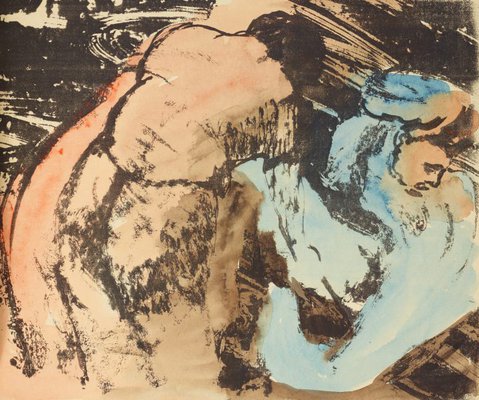
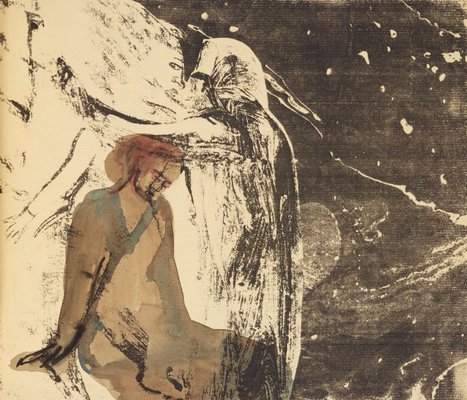
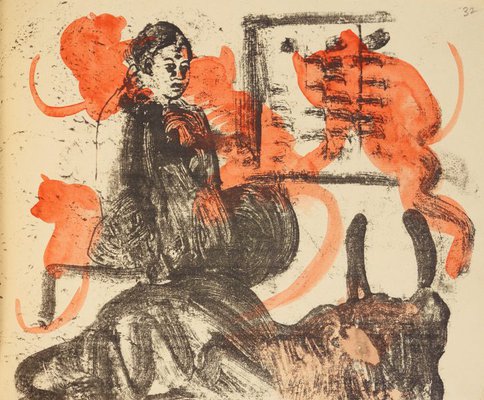
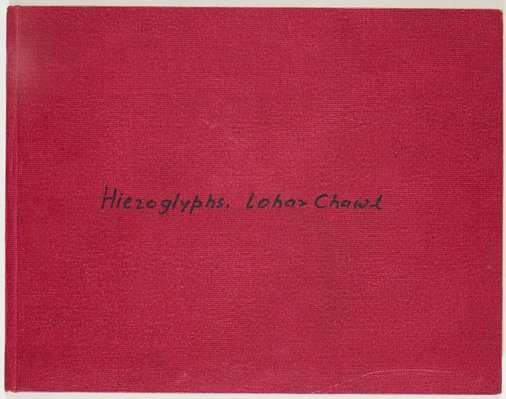
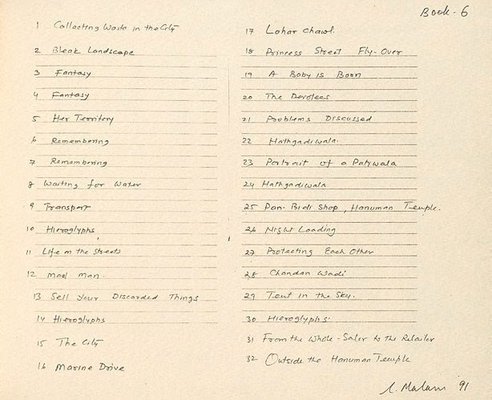
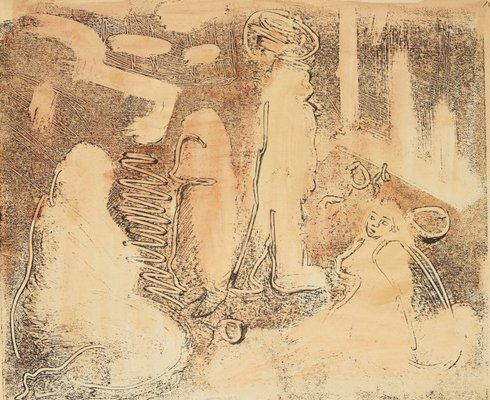
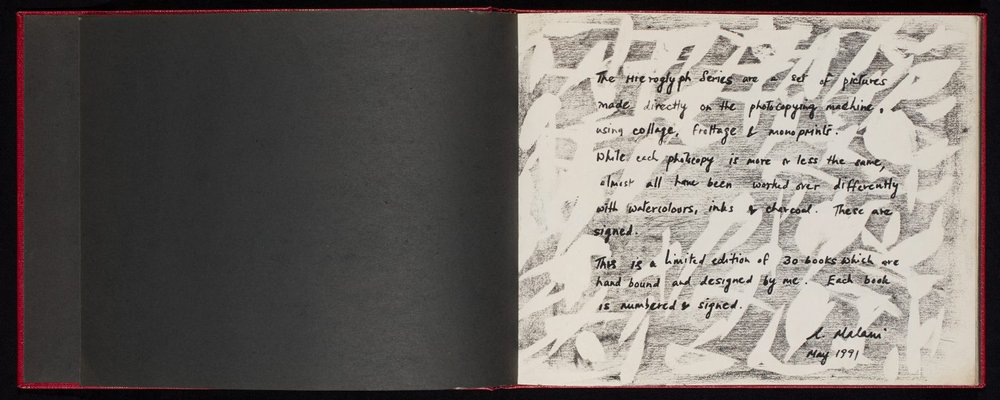
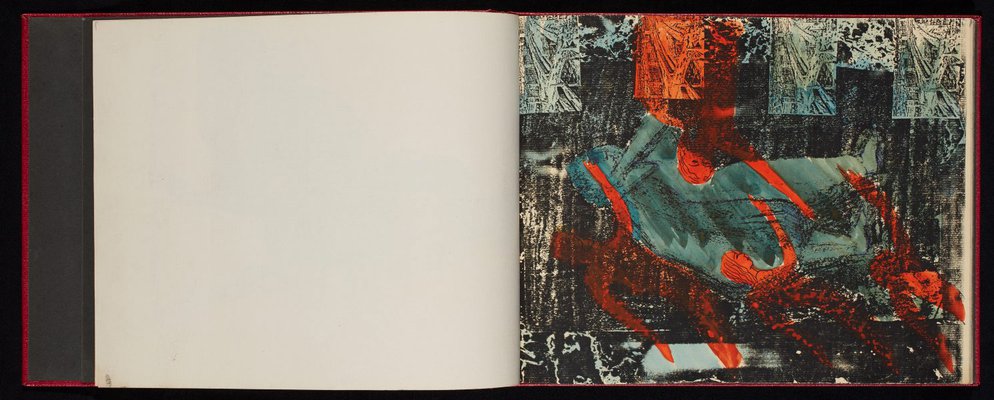
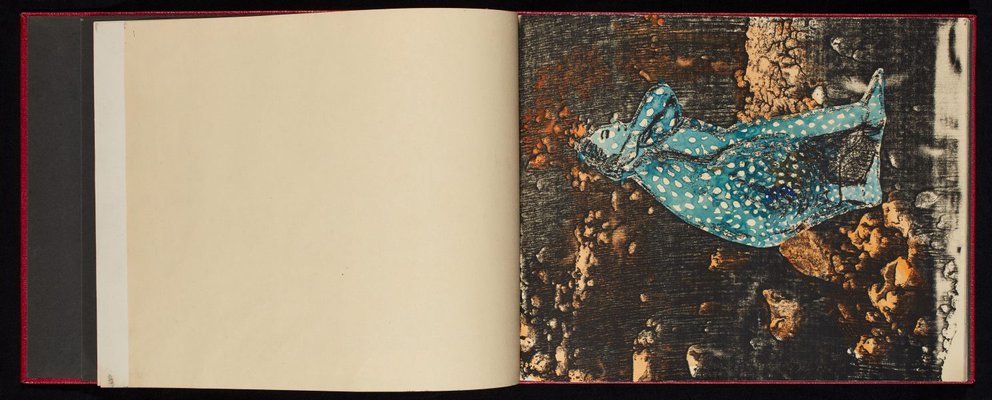
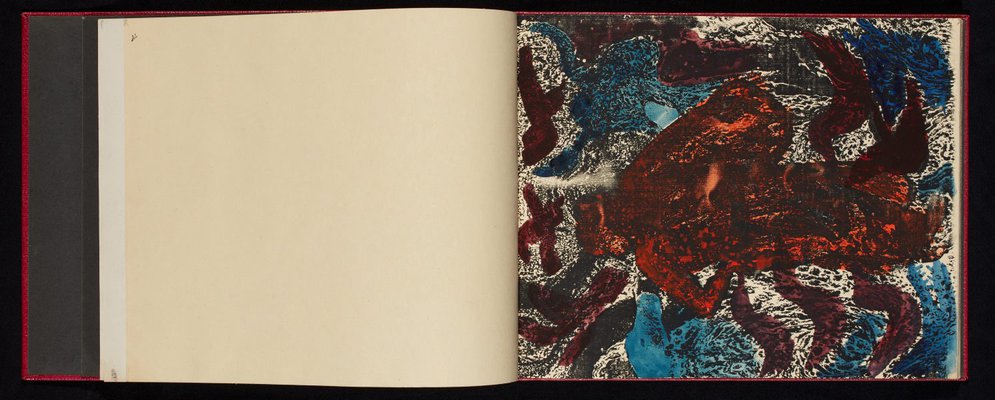
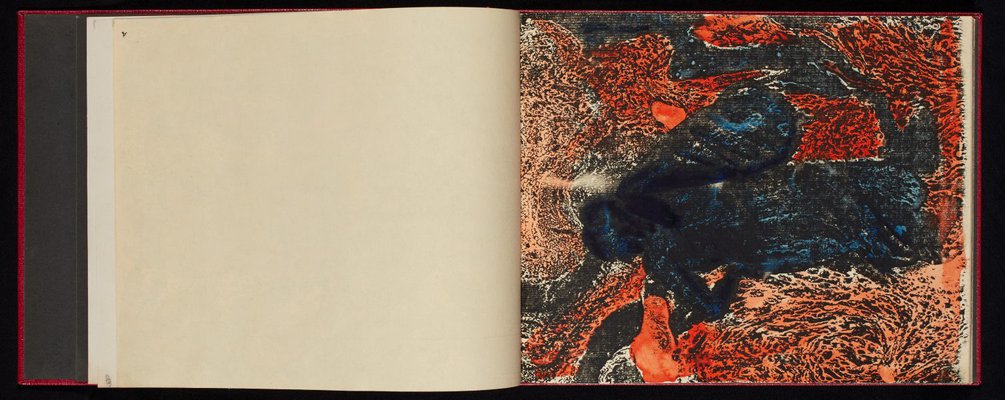
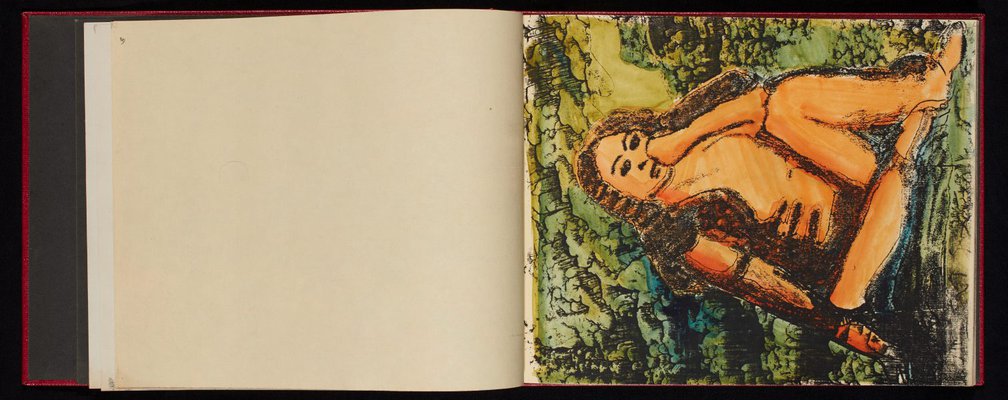
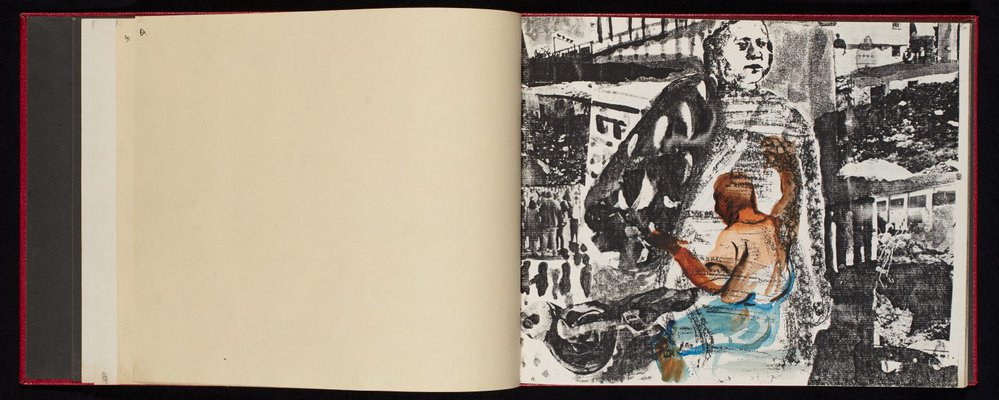
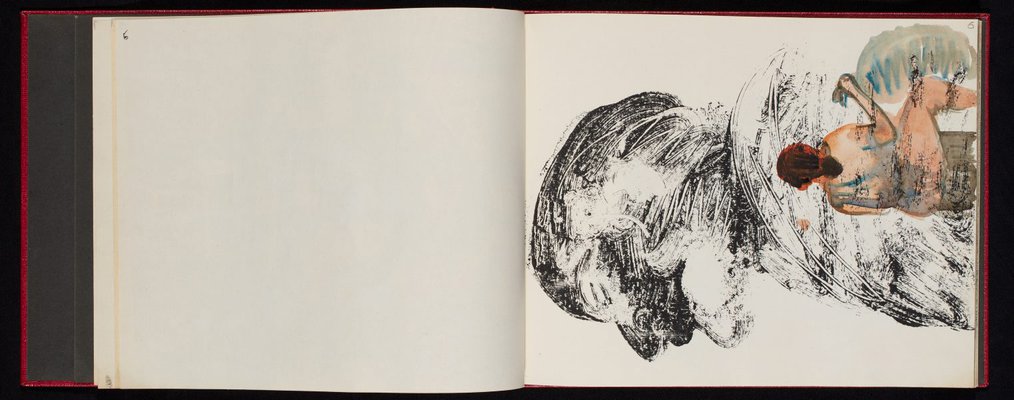
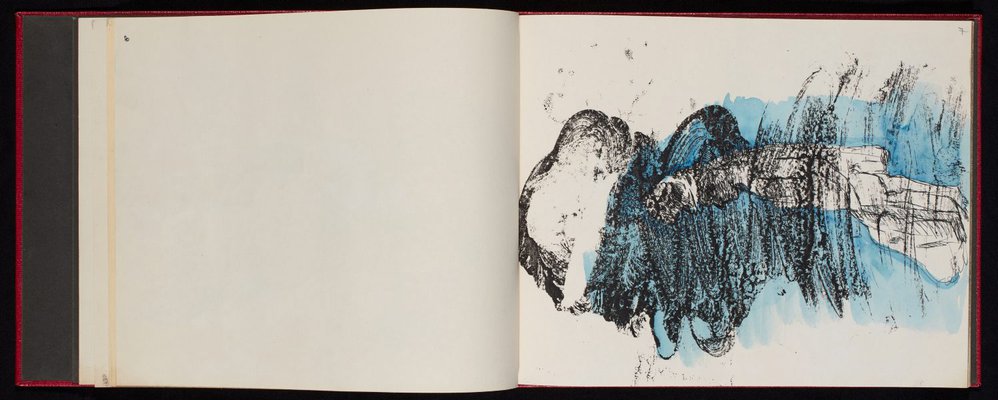
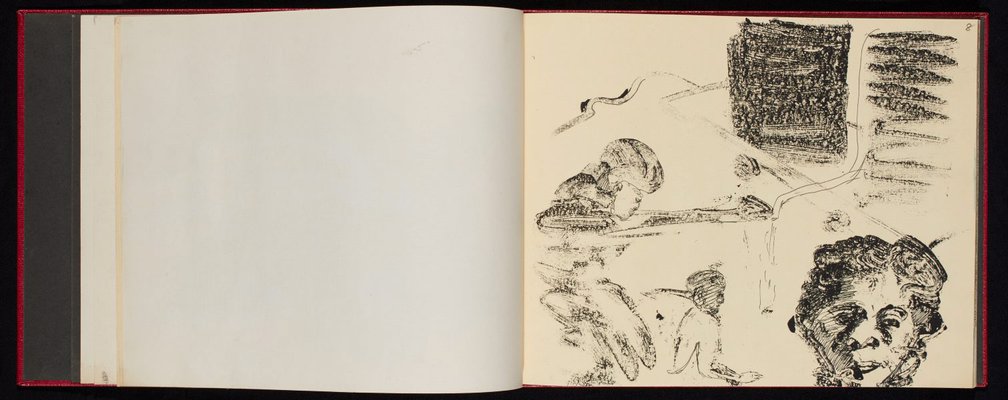
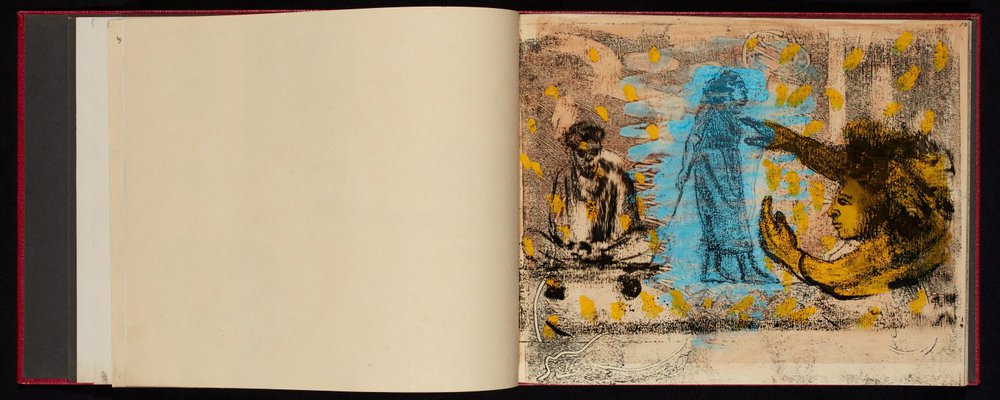
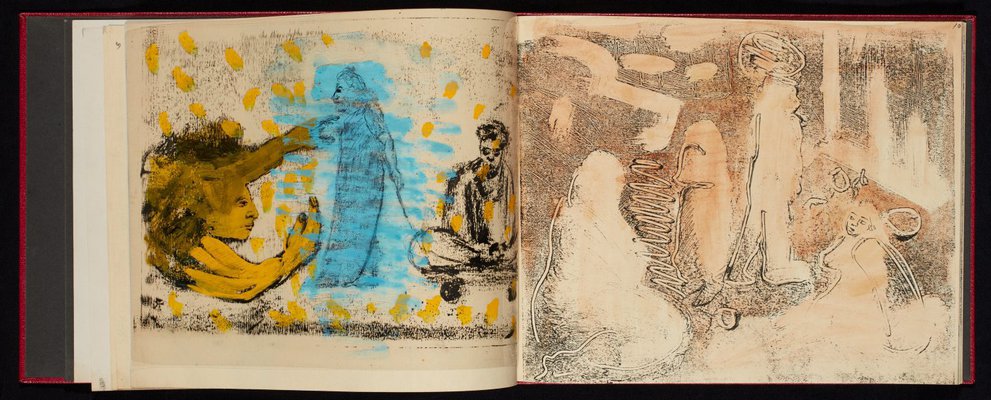
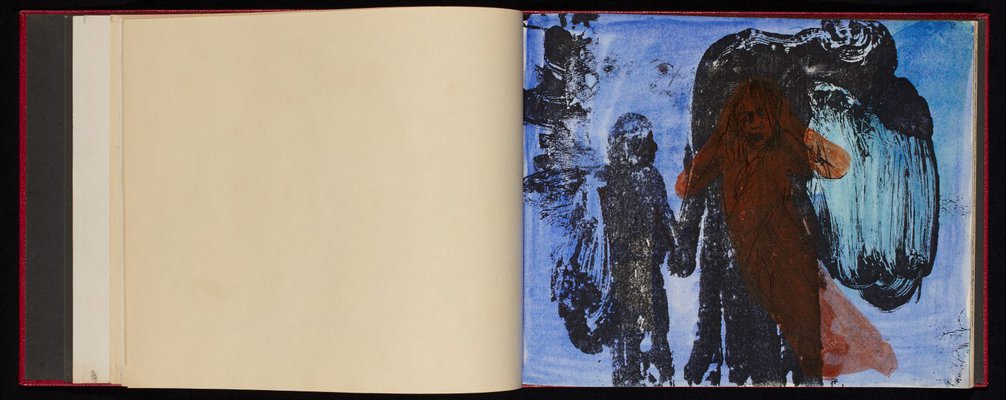
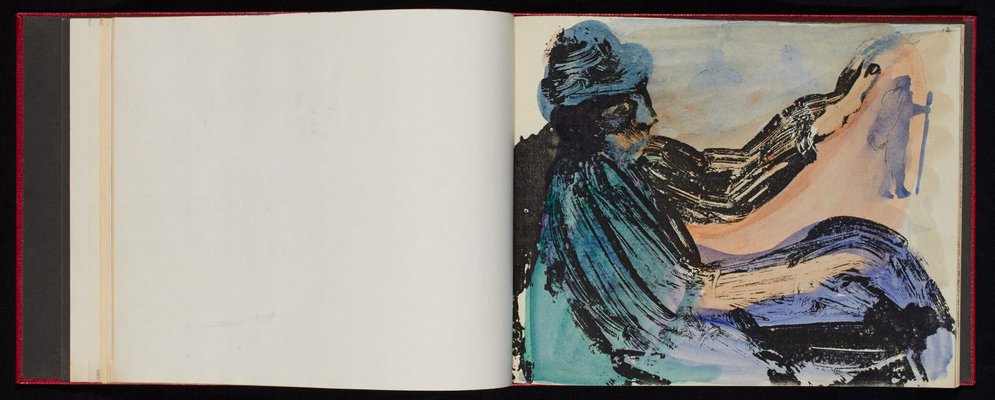
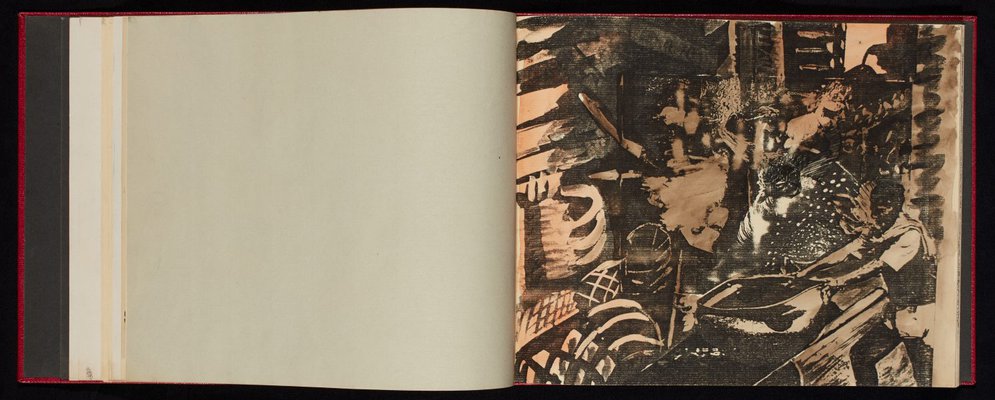
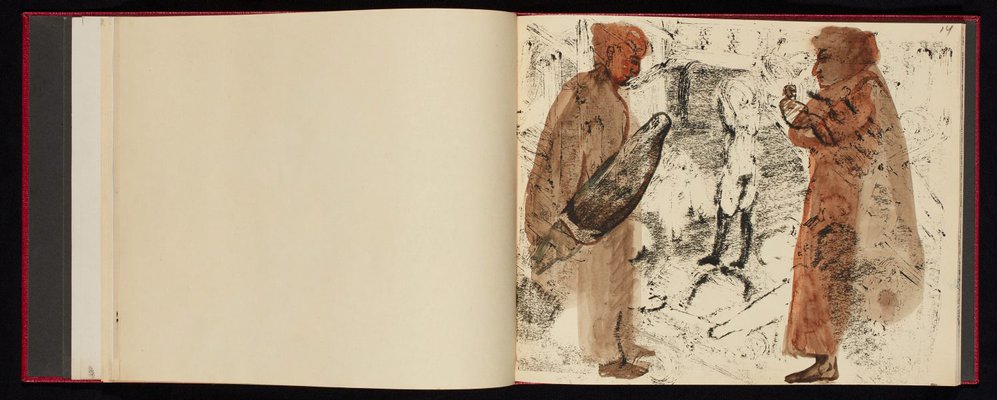
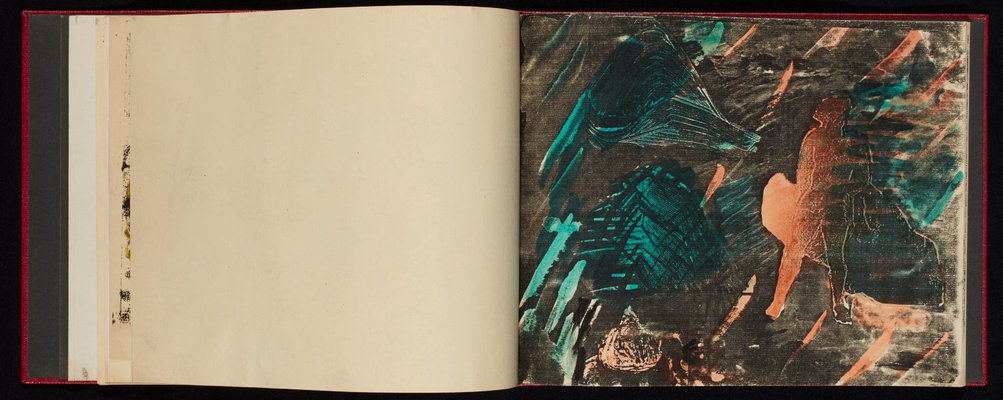
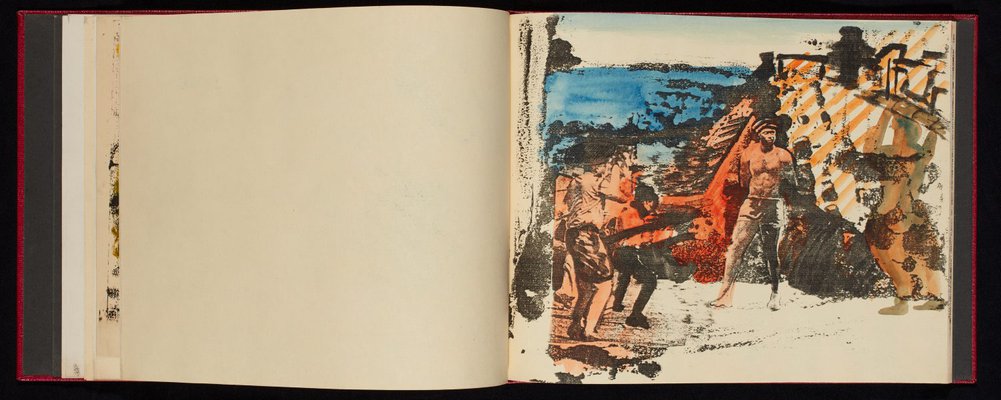
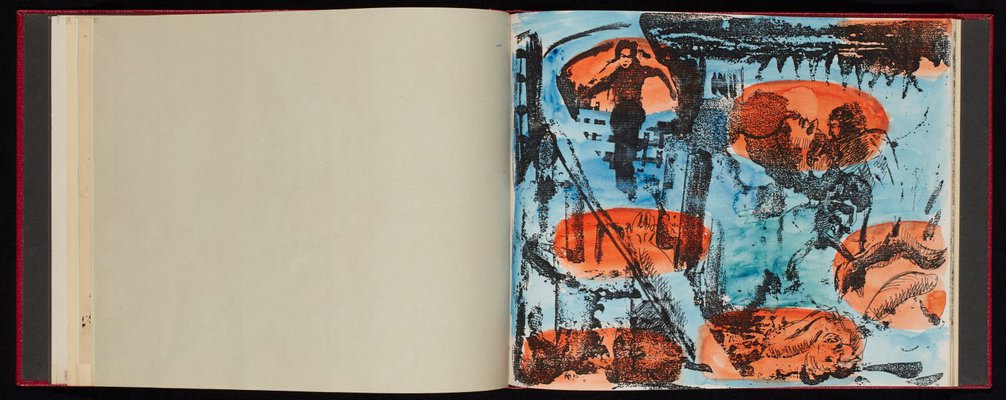
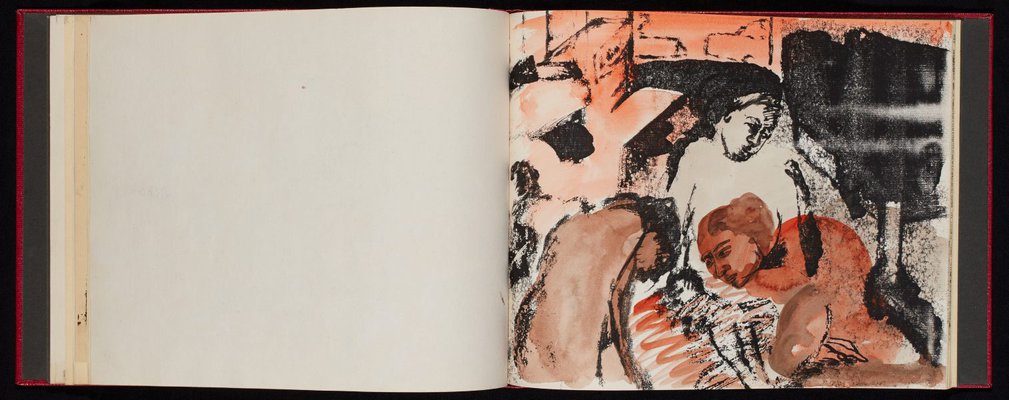
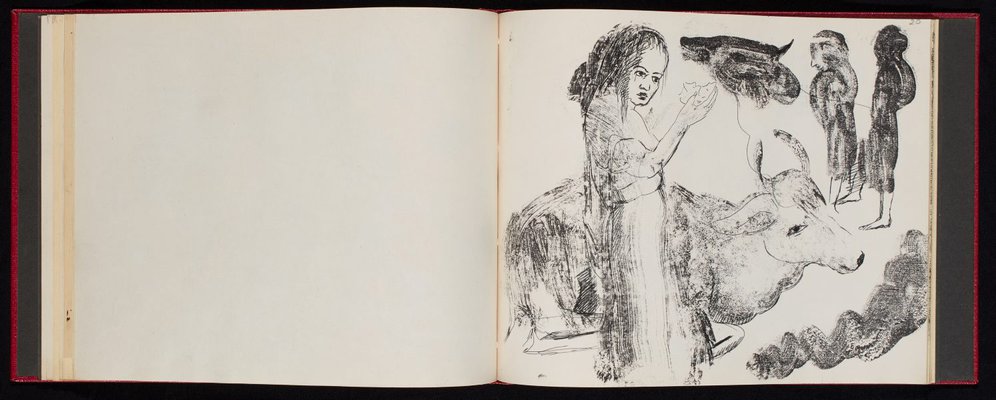
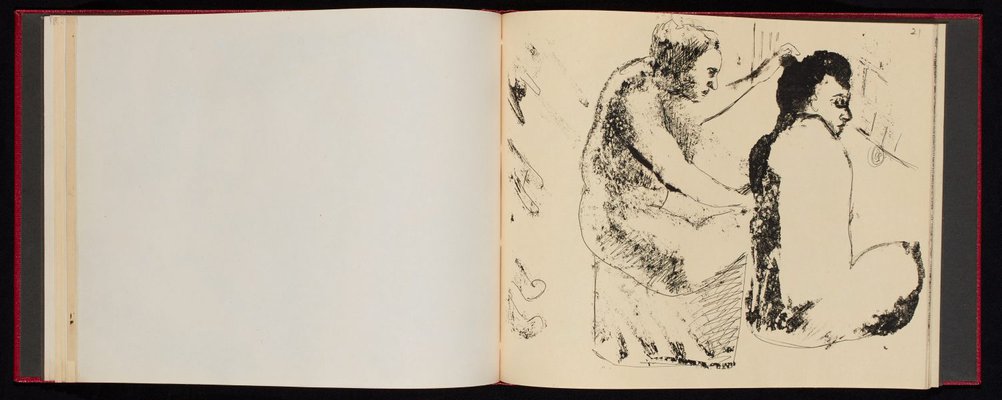
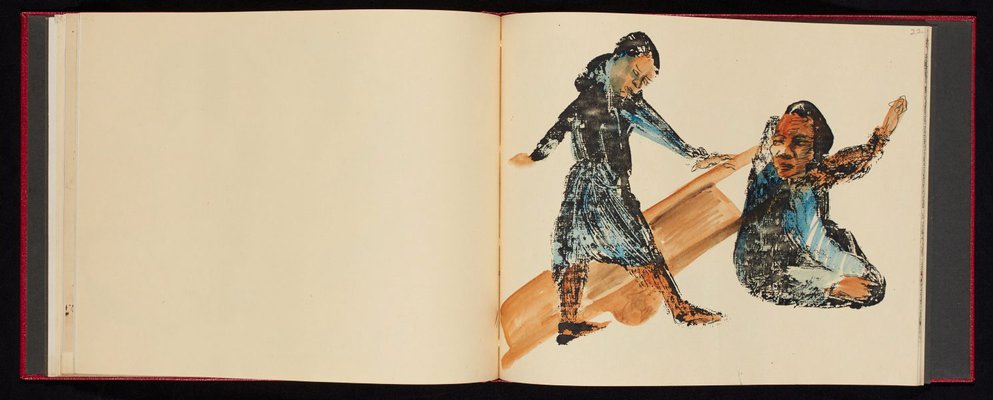
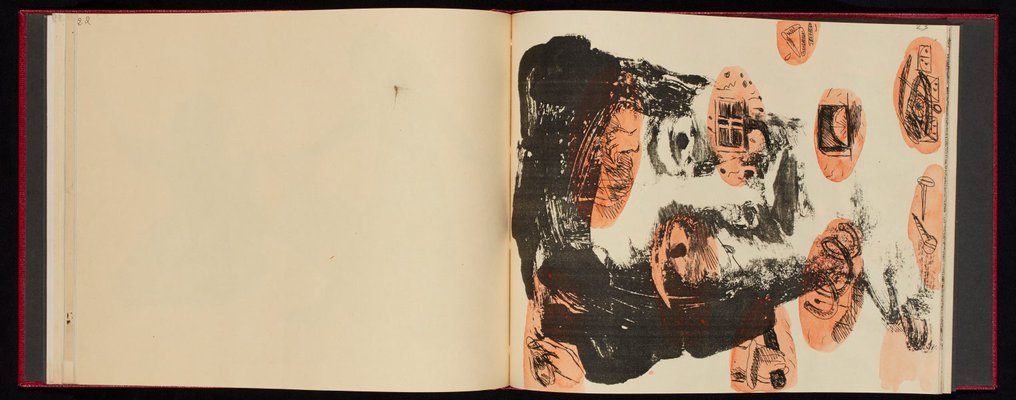
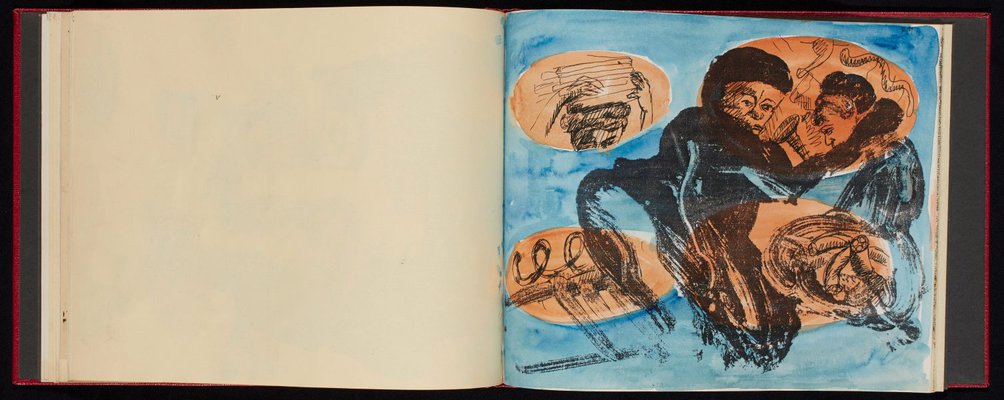
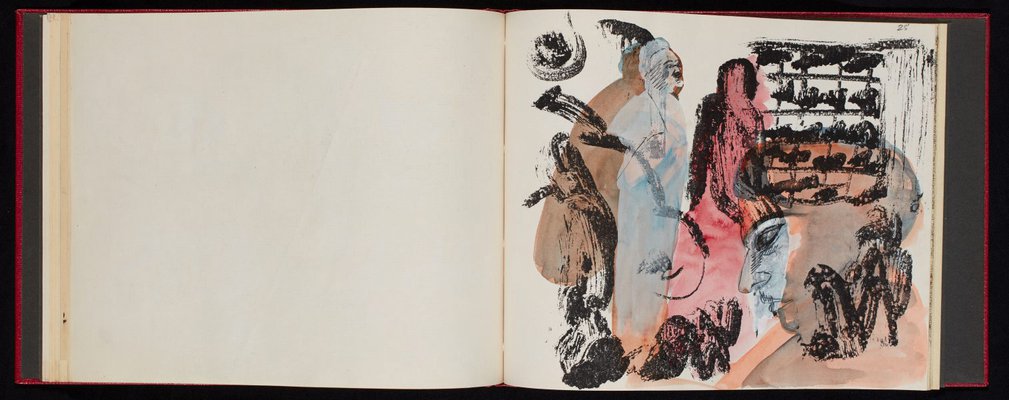
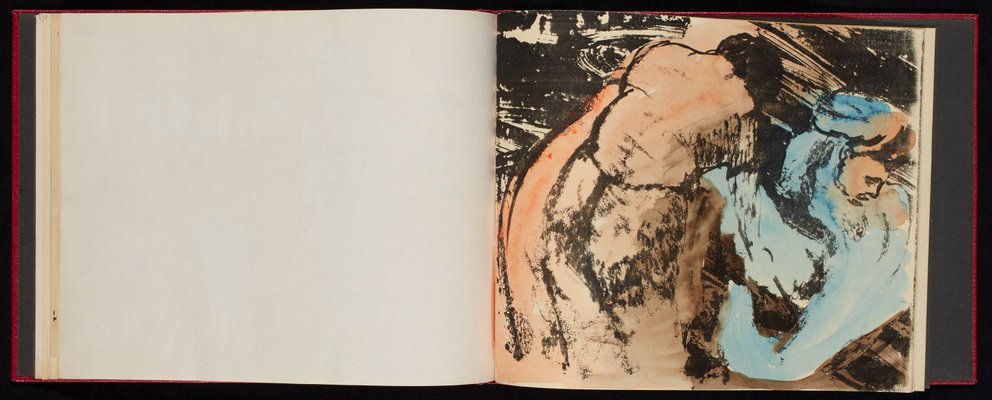
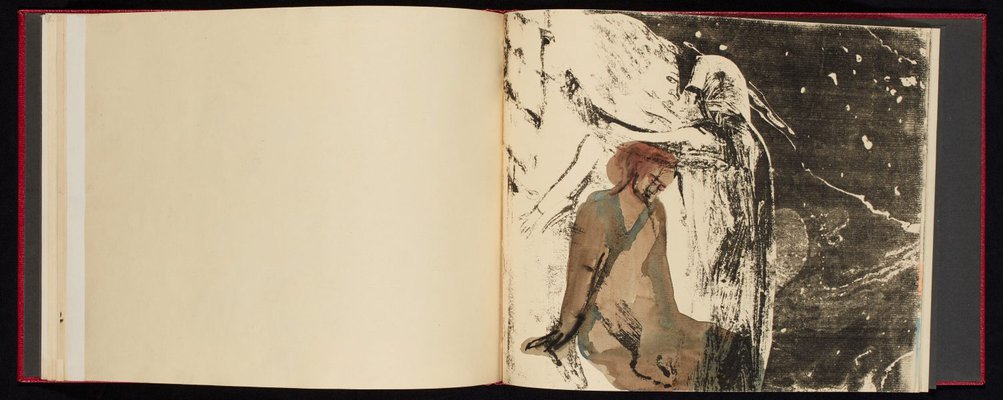
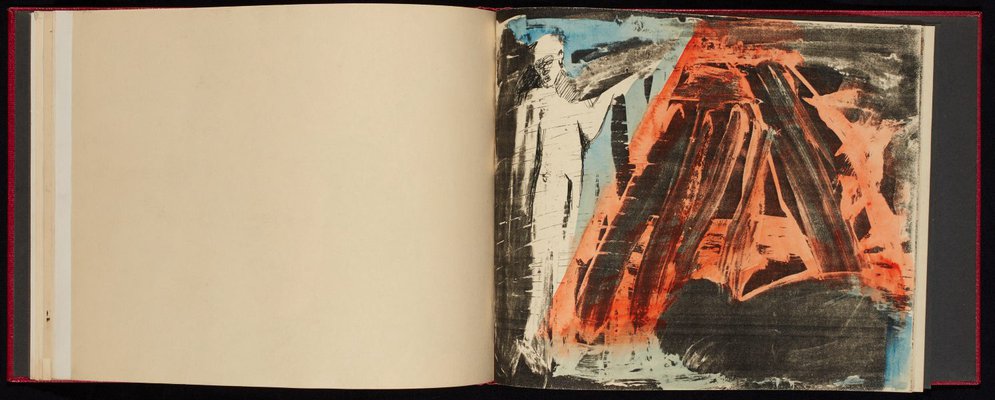
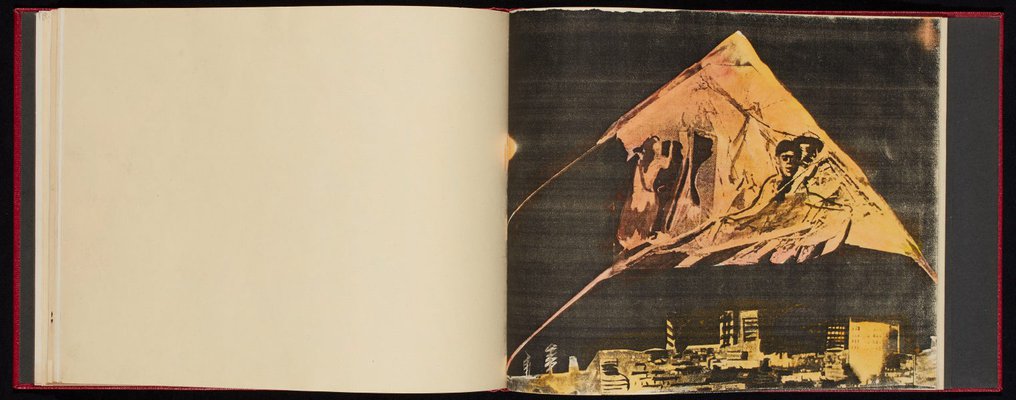
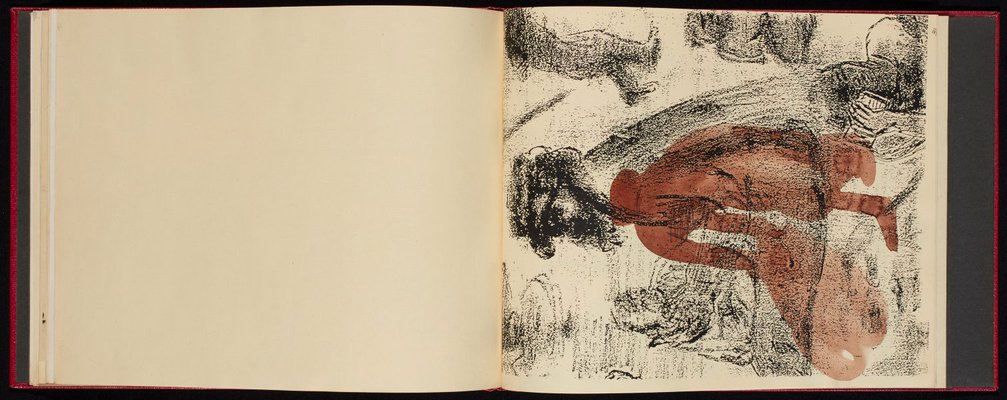
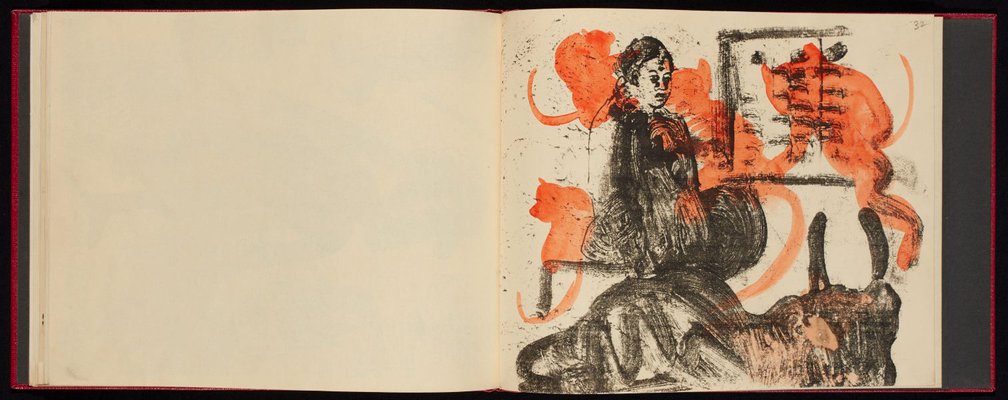
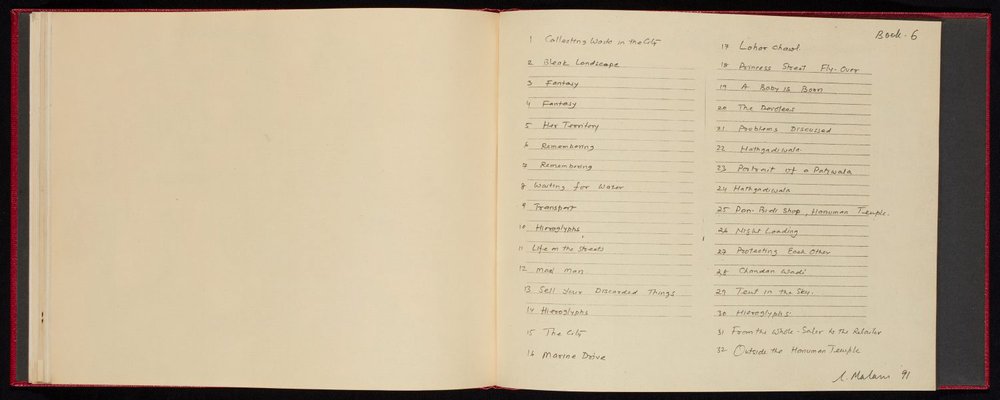
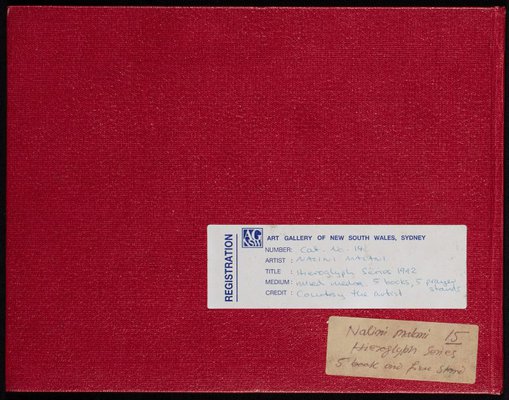
- bound book: 34 leaves, 33 photocopied monotypes worked over in ink, watercolour and pen; leaf l is an acetate sheet overlaying leaf m so that these two sheets form one image.
- Dimensions
- 22.3 x 27.8 cm leaf; 22.8 x 29.3 cm closed book; 22.8 x 58.1 cm open book
- Signature & date
Signed and dated, leaf hh, l.r.corner, black ink, "...N Malani 91".
- Credit
- Purchased 1994
- Location
- Not on display
- Accession number
- 358.1994.a-hh
- Copyright
- © Nalini Malani
- Artist information
-
Nalini Malani
Works in the collection
- Share
-


-
About
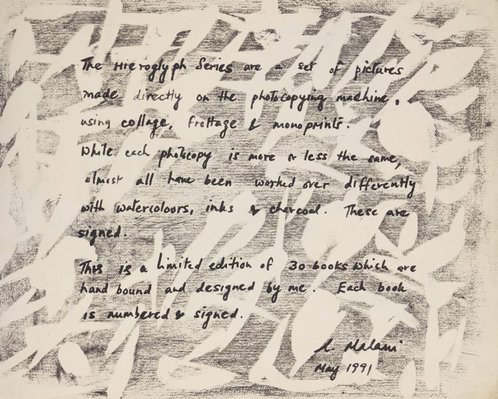
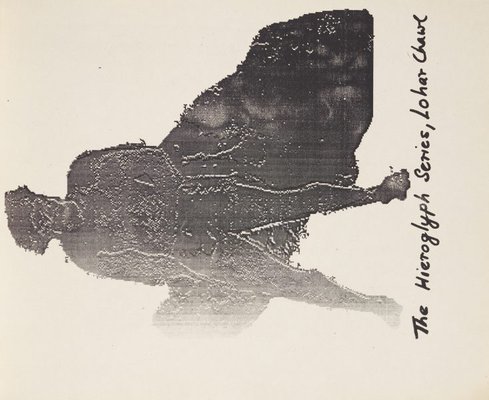
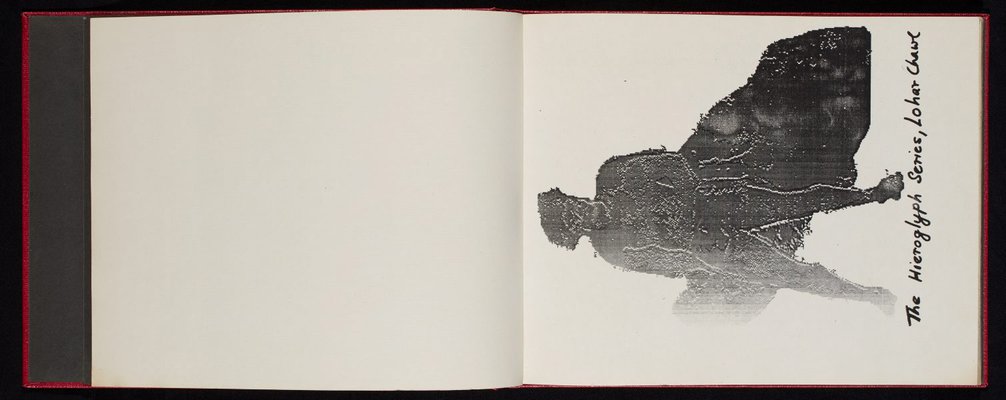
Nalini Malani currently enjoys considerable international fame. Having trained at the distinguished J J School of Art in Bombay, Malani explores the political and postcolonial issues of urban and Third World poverty, decay, exploitation and violence. These complex and difficult themes are brought closer to home through her use of a narrative style and her innate interest in, and profound respect for, the human subject affected by this turmoil. In her 'Hieroglyph' series Malani creates a layering of images produced by techniques she calls 'cloning': monoprints photocopied and worked over in ink, charcoal, watercolour, pen and collage. Malani fashions a complex, layered image which alludes to the multifaceted urbanity of a small street in an area of Mumbai known as Lohar Chawl. She uses her practice to give vision to those stories which history often sweeps aside.
The Asian Collections, AGNSW, 2003, pg.57.
-
Exhibition history
Shown in 4 exhibitions
India Songs, Art Gallery of New South Wales, Sydney, 01 Apr 1993–09 May 1993
India Songs, Wollongong Art Gallery, Wollongong, 15 May 1993–12 Jun 1993
India Songs, Orange Regional Gallery, Orange, 25 Jun 1993–31 Jul 1993
India Songs, Canberra School of Art Gallery, Canberra, 05 Aug 1993–04 Sep 1993
India Songs, Campbelltown Arts Centre, Campbelltown, 17 Sep 1993–24 Oct 1993
Indian Painting, Art Gallery of New South Wales, Sydney, 06 Apr 2001–11 Jun 2001
Mother India (2012), Art Gallery of New South Wales, Sydney, 11 Feb 2012–05 May 2012
Fearless: contemporary South Asian art, Art Gallery of New South Wales, Sydney, 21 Jul 2018–13 Jan 2019
-
Bibliography
Referenced in 3 publications
-
Victoria Lynn, India Songs: multiple streams in contemporary Indian art, Sydney, 1993, 18, 19 (colour illus.).
-
Jackie Menzies (Editor), The Asian Collections Art Gallery of New South Wales, 'Contemporary Painting in Urban and Village India', Sydney, 2003, 57 (colour illus.). 2 images from the 'Hieroglyph' series.
-
Haema Sivanesan, Indian painting, 'Indian Painting', verso of poster., Sydney, 2001. cat.no. 6.16
-


